
Asgardian Field Notes
The Color Current: Philips Hue Play Screen Sync Review
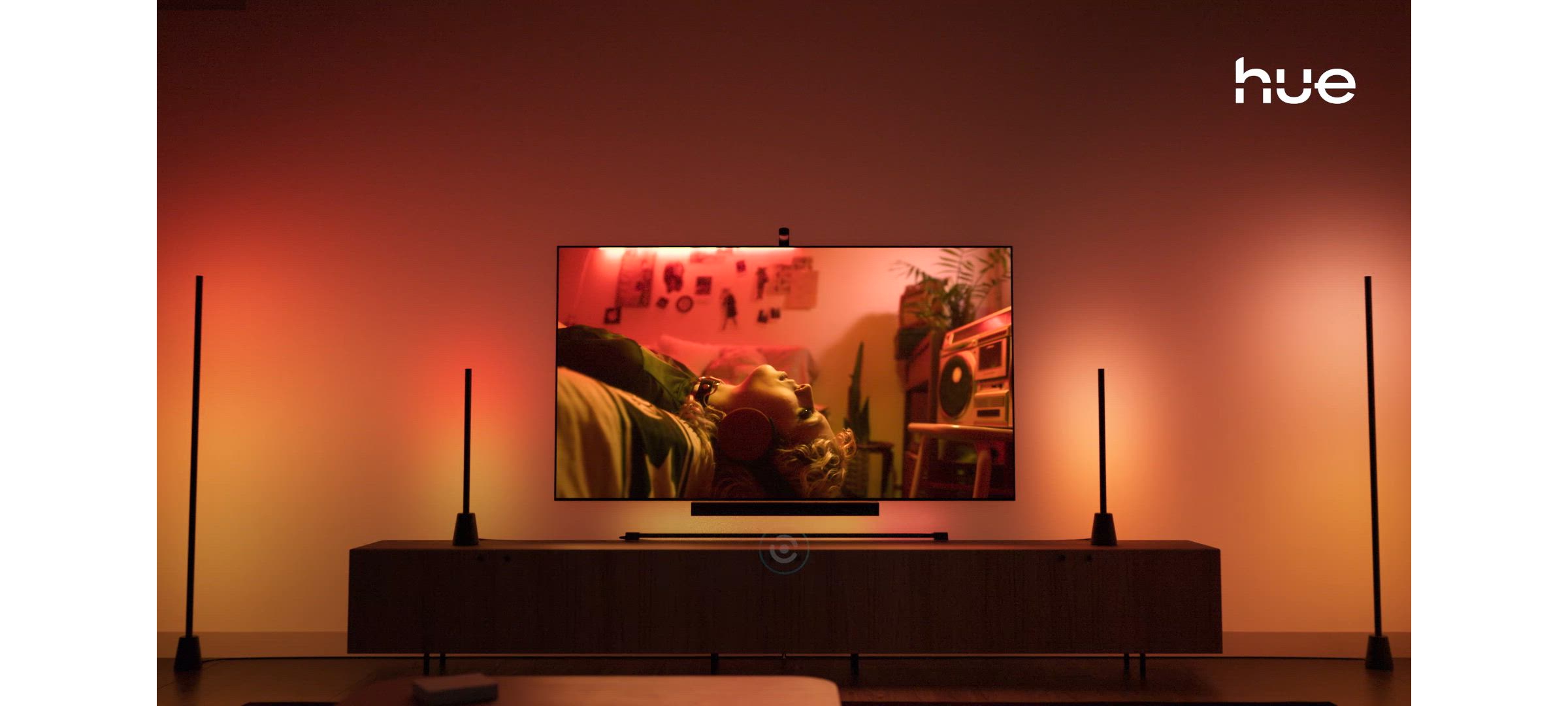
Philips Hue Play Screen Sync is the Philips Hue piece assigned to the The Bifrost realm. This is a field note from Vidar, written from the stored artifact record rather than from guesses. I look at light and connection as parts of the house itself. The best pieces do their work clearly, then leave the room to be lived in.
Philips Hue Play Screen Sync: what it is in the house
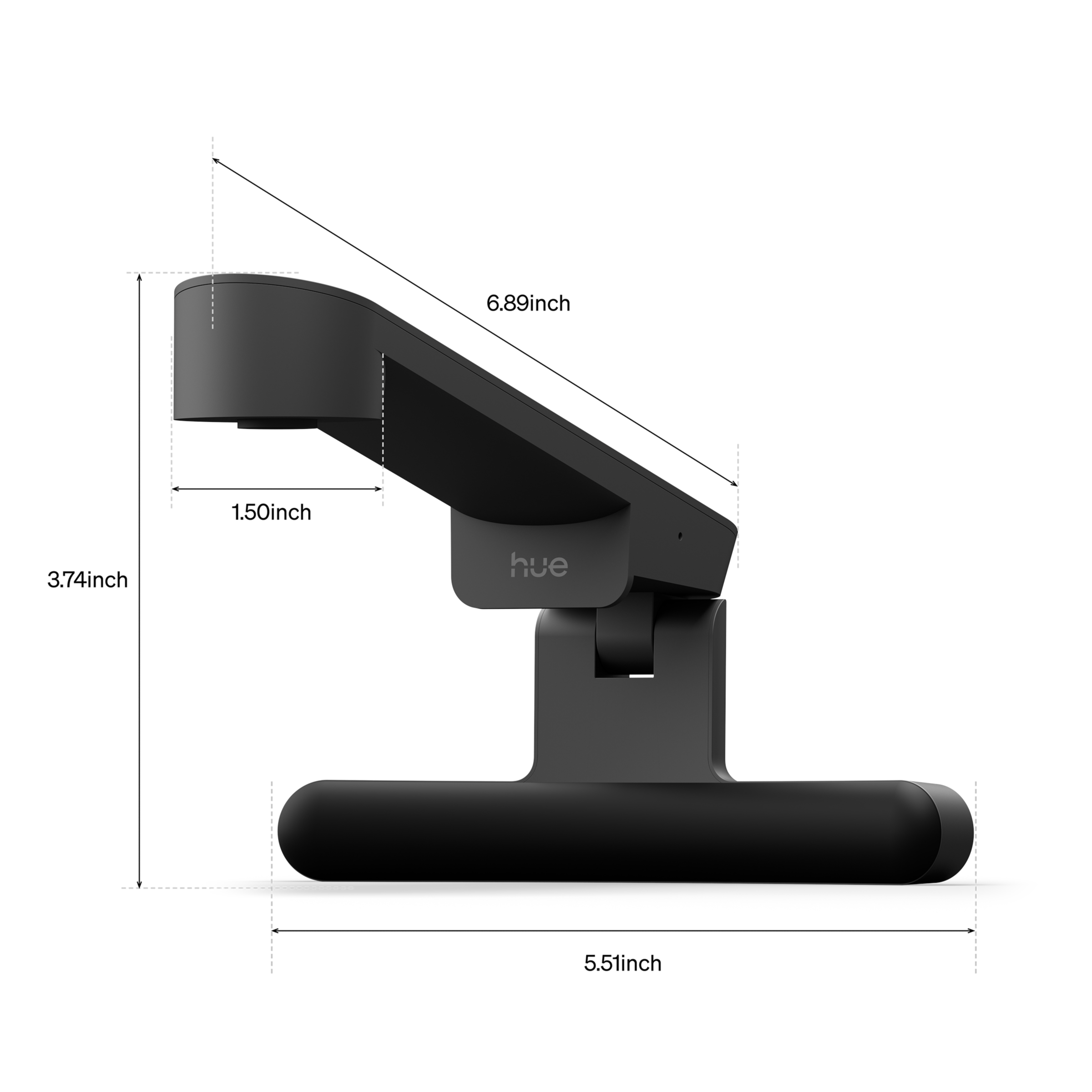
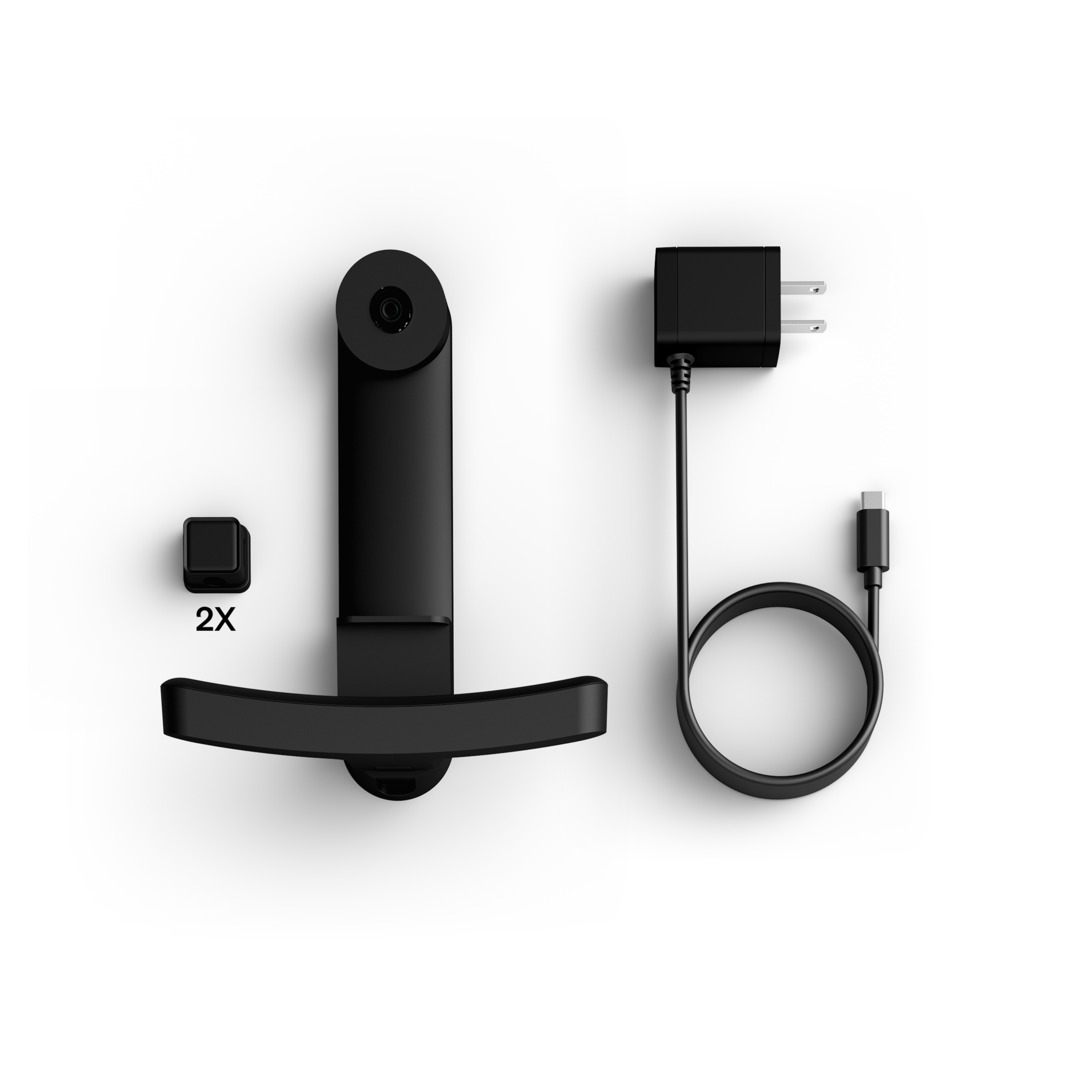
The vault describes this object in direct terms: Television light should follow the picture without becoming another box to manage. Philips Hue Play screen sync uses a fisheye lens to read the TV edge to edge, then sends real-time color through the Hue app. It works with native TV apps and broadcast TV, a useful distinction when the source changes. Bluetooth and Zigbee are the recorded protocols. Without a Hue Bridge, Bluetooth can sync one compatible strip, while the product page lists Matter, Apple Home, Alexa, Google Home, IFTTT, Samsung SmartThings, and Sonos compatibility. The body measures 7-1/8 by 5-1/2 by 2-11/16 inches, with a 2,000 mm cable and 1.5 W power rating. Philips Hue defines a minimum 60-month support period. The lens reads the screen edge to edge, then the room receives the color it has been given. Bring order home. Keep only what is worthy.
That description gives the useful starting point. It tells us what the object is meant to change in a room and where its character comes from. A review should not turn that into a promise the record never made. Instead, I read the description as a set of decisions. The product has a role, a place, and a tone. Those three things are enough to ask whether it belongs in your home.
Look closely at the product name before comparing it with neighboring models. The title is the identity used by this artifact record, and the brand is Philips Hue. If you are building a room around several purchases, keep those names together when you check the merchant page. Product families often share a visual language while carrying different details.
Philips Hue details that matter
The stored god-tier features are the factual spine of this review. They are not decorative labels. Each one describes a reason the artifact was selected for the vault.
A fisheye lens captures the TV screen edge to edge for real-time color syncing in the Hue app.. A fisheye lens captures the TV screen edge to edge for real-time color syncing in the Hue app.
Native TV apps and broadcast TV work with the listed Bluetooth and Zigbee protocols.. Native TV apps and broadcast TV work with the listed Bluetooth and Zigbee protocols.
Bluetooth can sync one compatible strip without a Hue Bridge. The page also lists Matter, Apple Home, Alexa, Google Home, IFTTT, SmartThings, and Sonos.. Bluetooth can sync one compatible strip without a Hue Bridge. The page also lists Matter, Apple Home, Alexa, Google Home, IFTTT, SmartThings, and Sonos.
Read those points as a group. The first feature states the main promise of the object. The second adds the behavior or material choice that gives the product its character. The third shows how the piece fits the larger room. That sequence is useful when you compare it with another option, because it keeps the decision tied to the artifact record.
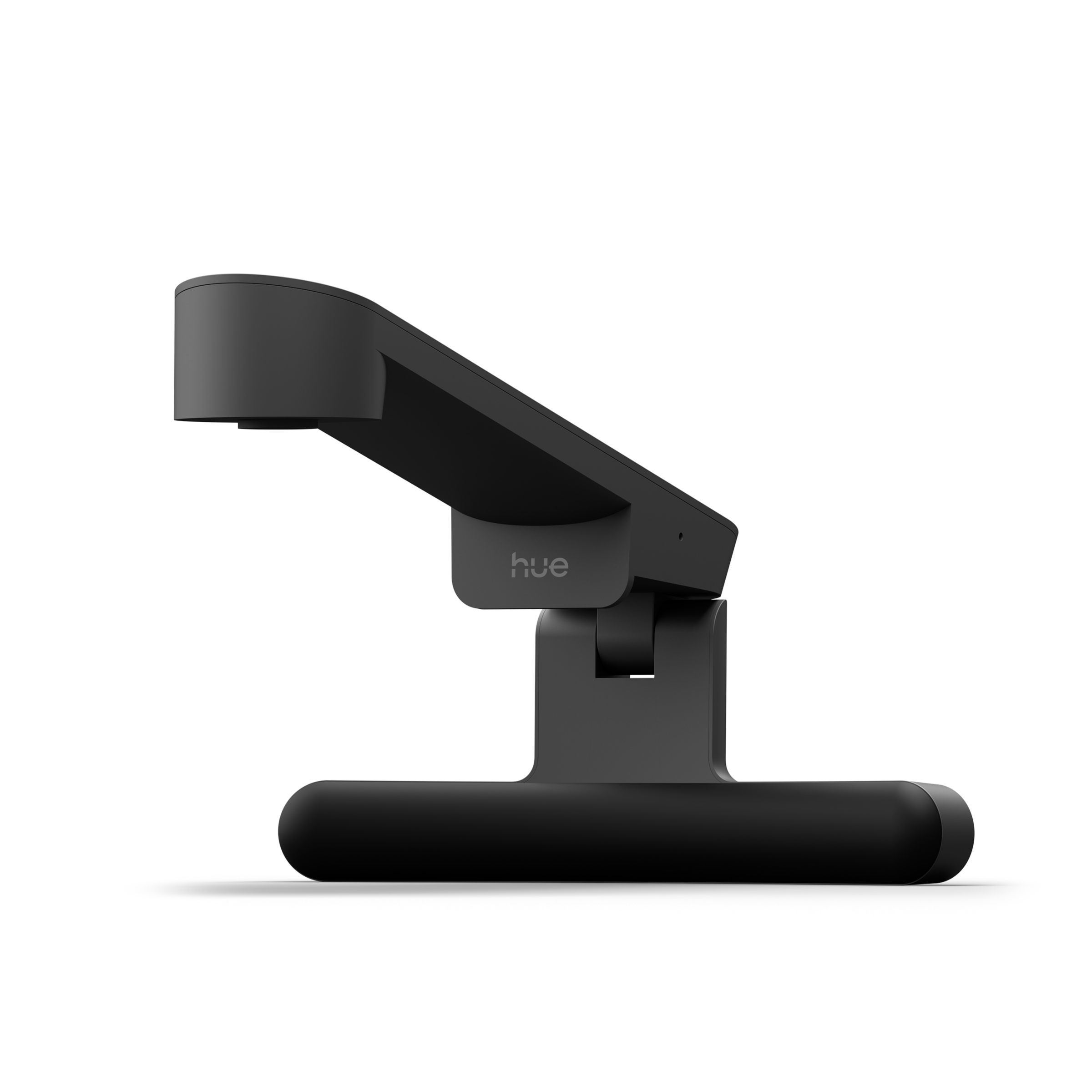
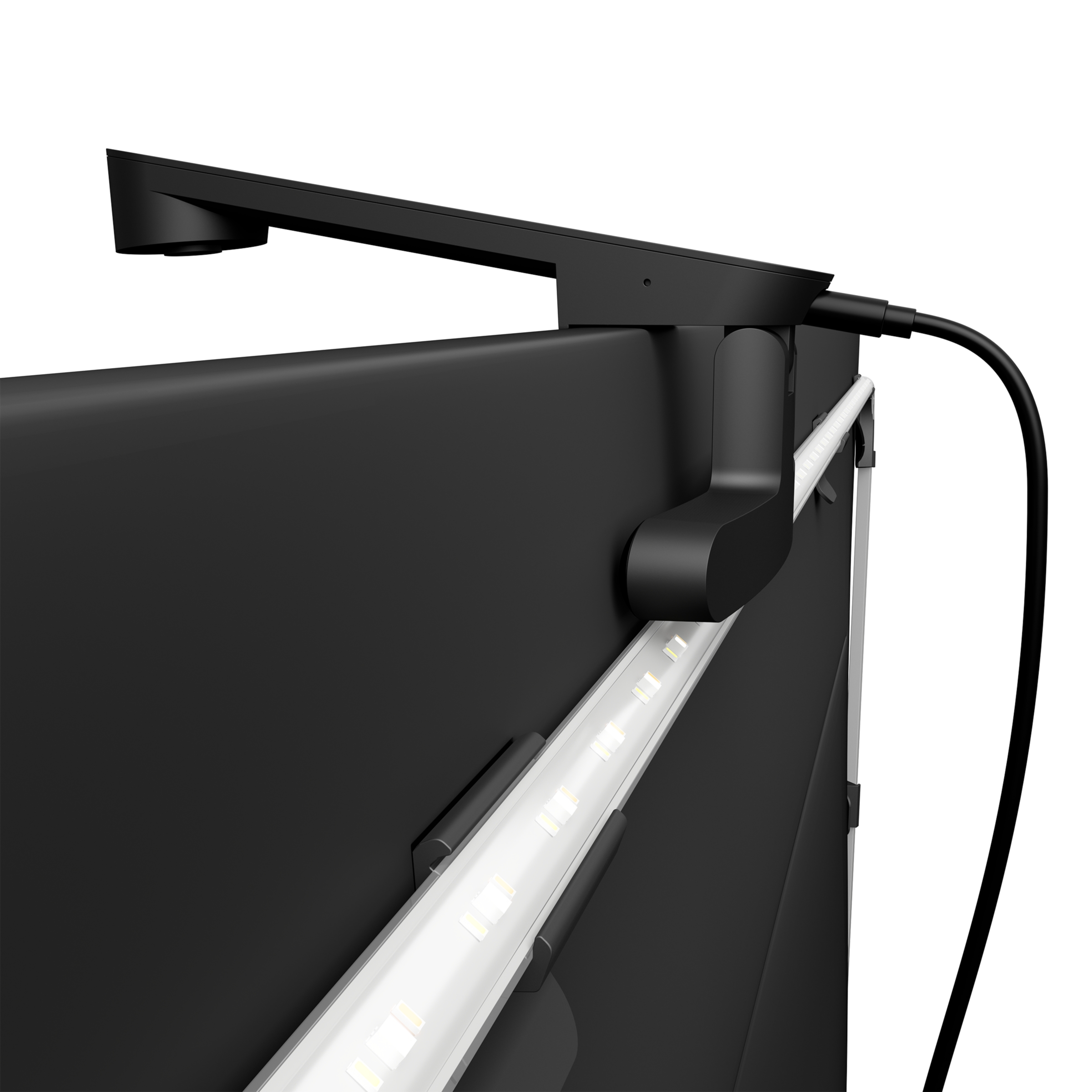
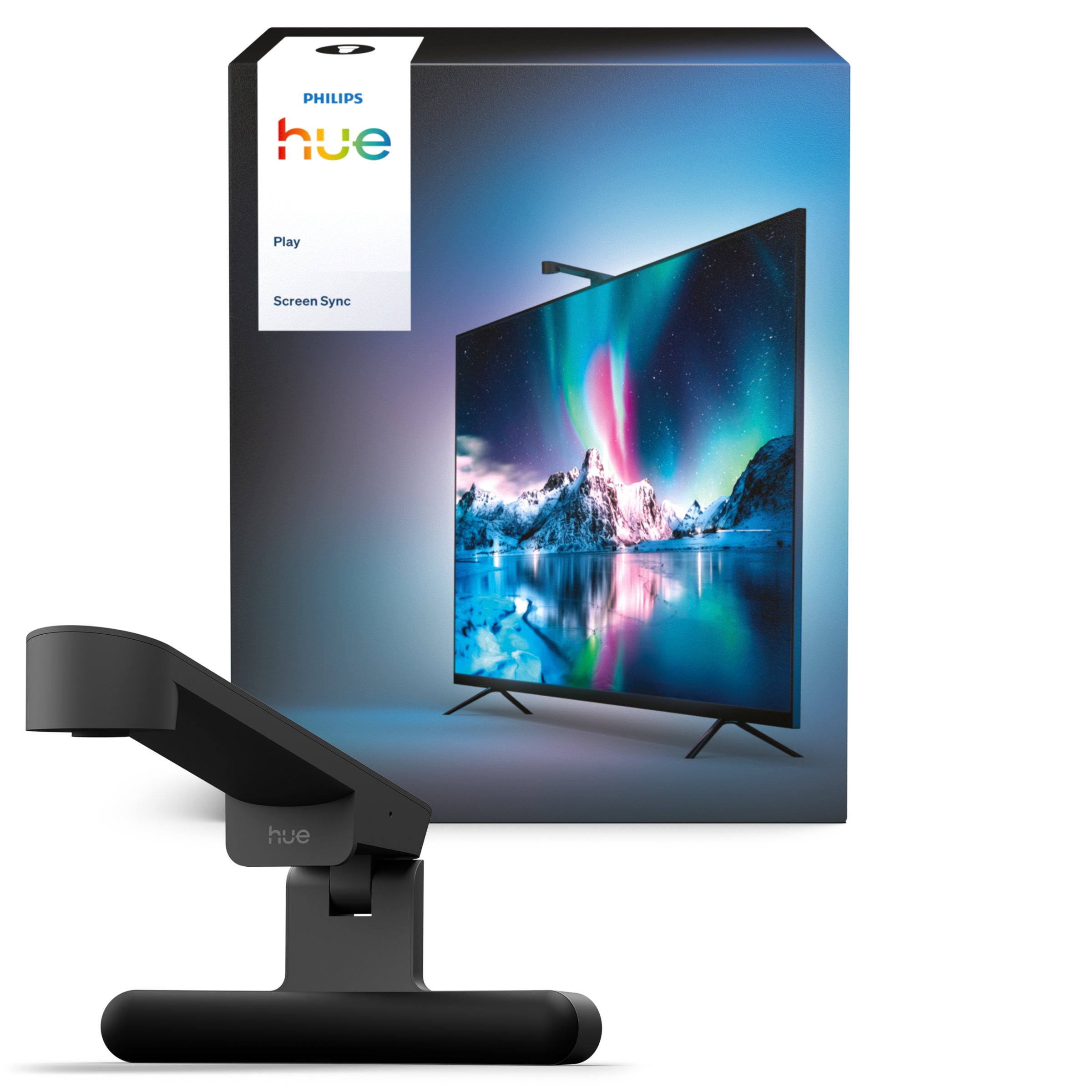
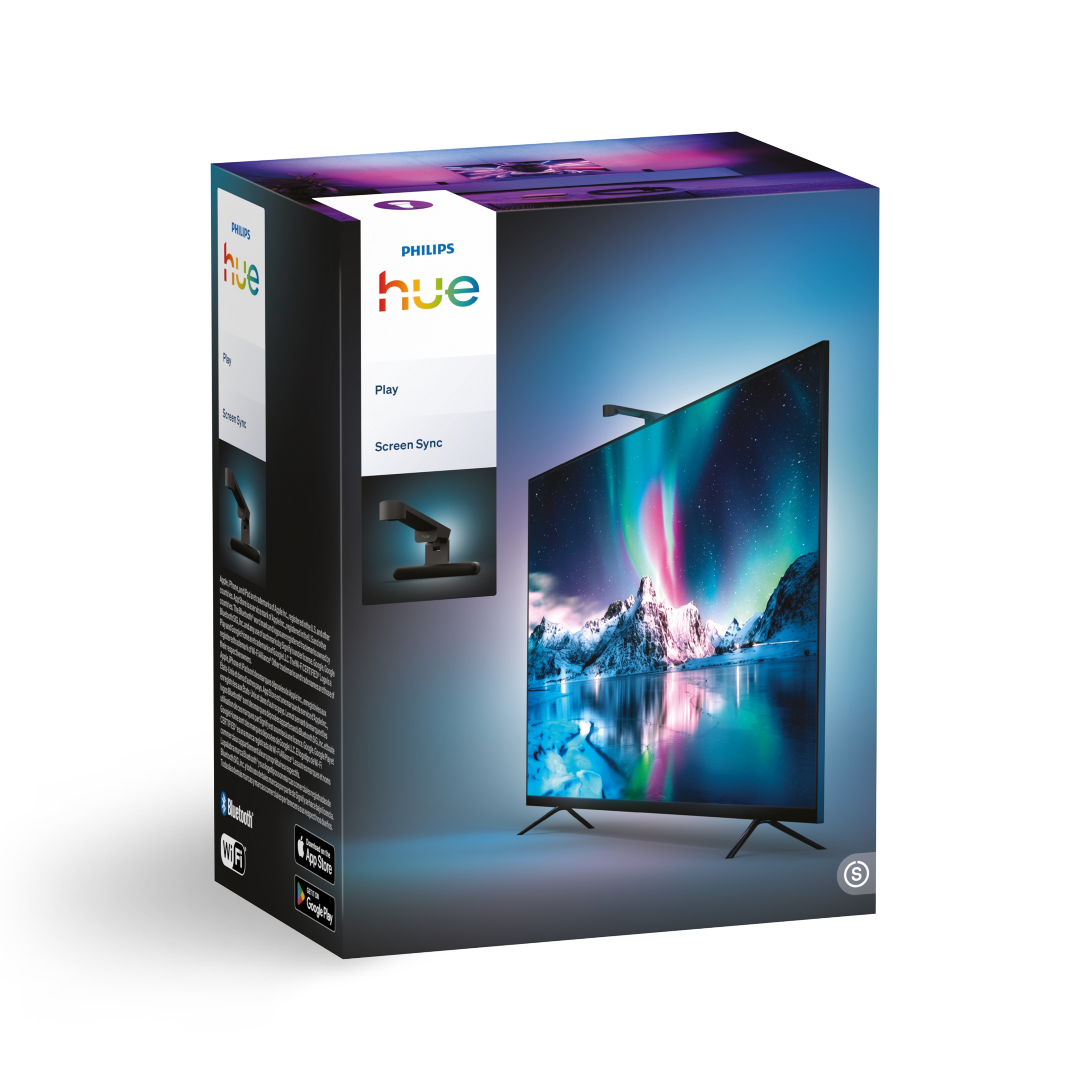
The images in the record are part of that check. The primary view is stored with the artifact, and the gallery preserves additional angles for inspection. Here are three views from the vault record:
Living with the Philips Hue Play Screen Sync
The daily question is not whether a product sounds impressive. It is whether the object keeps its place in the rhythm of the room. The stored description gives us the intended experience, while the feature list gives us the boundaries of the claim. I would begin by placing the artifact where its recorded role is easiest to test. Let the first week be ordinary. Use it at the time of day and in the setting that the description suggests.
There is also a practical discipline here. Keep the exact model name nearby when you install, configure, or order accessories. The artifact page is the stable reference for this selection. The merchant page remains the authority for current price, availability, shipping, compatibility, warranty, and any instructions that may change after publication.
What the record does not say is just as important. This review does not add a dimension, rating, protocol, material, battery figure, or performance result that is missing from the stored fields. If a detail matters to your decision and it is not in the description or features above, verify it on the linked product page before spending.
Verdict for an Asgard@Home room
Philips Hue Play Screen Sync earns consideration because its selection has a clear place in the The Bifrost realm. The description gives it a distinct role, the features explain the case for it, and the images let you inspect the object before you make a decision. That is a better basis for purchase than a cloud of adjectives.
My verdict is measured. Choose it when the recorded role matches the gap in your room. Pass when you need a specification that the record does not provide or when another model fits the space more honestly. If it does belong, start at the Philips Hue Play Screen Sync artifact page, then review the current offer through the tracked Philips Hue Play Screen Sync buying link. If you buy through that link, we may earn a commission at no extra cost to you.
That is the standard I want from a home object: clear identity, visible purpose, and enough restraint to let the room remain yours.
Frequently Asked Questions
What is the Philips Hue Play Screen Sync?
The stored artifact record identifies it as Philips Hue Play Screen Sync from Philips Hue, placed in the The Bifrost realm. This review stays with the description and features recorded for this artifact.
What features define the Philips Hue Play Screen Sync?
The record names 3 god-tier features. They are listed above in their stored form, without adding specifications that are not present in the vault.
Who should consider this Philips Hue piece?
It suits a reader whose room and routine match the recorded purpose. Read the dimensions, limits, compatibility notes, and other details on the merchant listing before ordering.
Where can I see the artifact details?
The full artifact record is on the Philips Hue Play Screen Sync artifact page. The purchase route is the tracked Philips Hue Play Screen Sync buying link.
Central Artifact of this Saga
Philips Hue Play Screen Sync - The Color Current
Crafted by Philips Hue • $$
Television light should follow the picture without becoming another box to manage. Philips Hue Play screen sync uses a fisheye lens to read the TV edge to edge, then sends real-time color through the Hue app. It works with native TV apps and broadcast TV, a useful distinction when the source changes. Bluetooth and Zigbee are the recorded protocols. Without a Hue Bridge, Bluetooth can sync one compatible strip, while the product page lists Matter, Apple Home, Alexa, Google Home, IFTTT, Samsung SmartThings, and Sonos compatibility. The body measures 7-1/8 by 5-1/2 by 2-11/16 inches, with a 2,000 mm cable and 1.5 W power rating. Philips Hue defines a minimum 60-month support period. The lens reads the screen edge to edge, then the room receives the color it has been given. Bring order home. Keep only what is worthy.