
Asgardian Field Notes
The Geometry of Sound
Every room has a geometry. And for a century, our sound has obeyed a foreign one: the rectangle. Boxes stacked on shelves. Black slabs facing the sofa. We accepted the box because the box was practical, never asking whether the way we house music should be shaped by the way music actually moves.
Sound does not live in rectangles. It is a sphere unfolding. It leaves a source and blooms in every direction, bending around furniture, pooling in corners, finding the empty space above a table. The loudspeaker industry built a century of furniture around a shape that physics never demanded. The Edge asks a better question: what if the machine itself became the geometry?
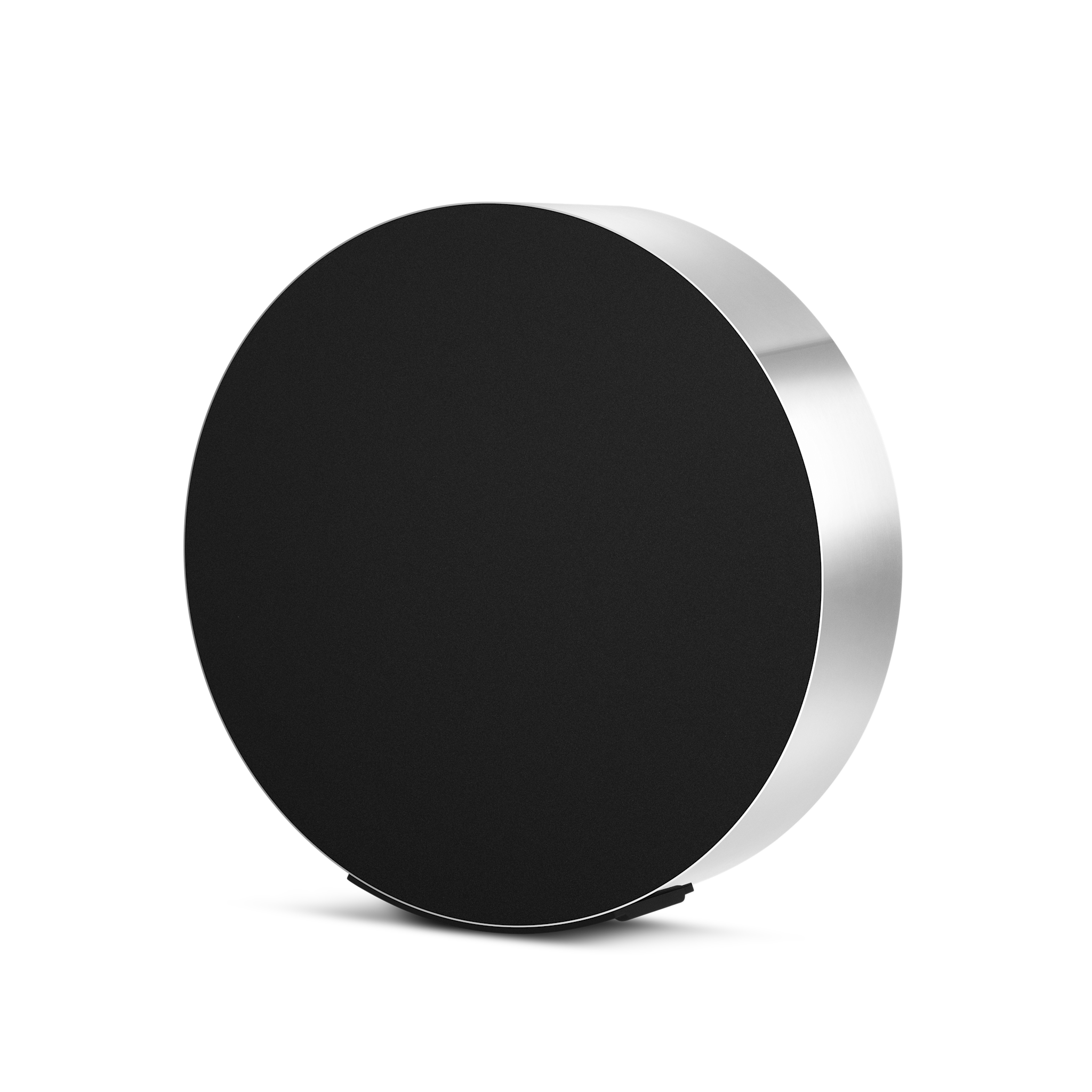
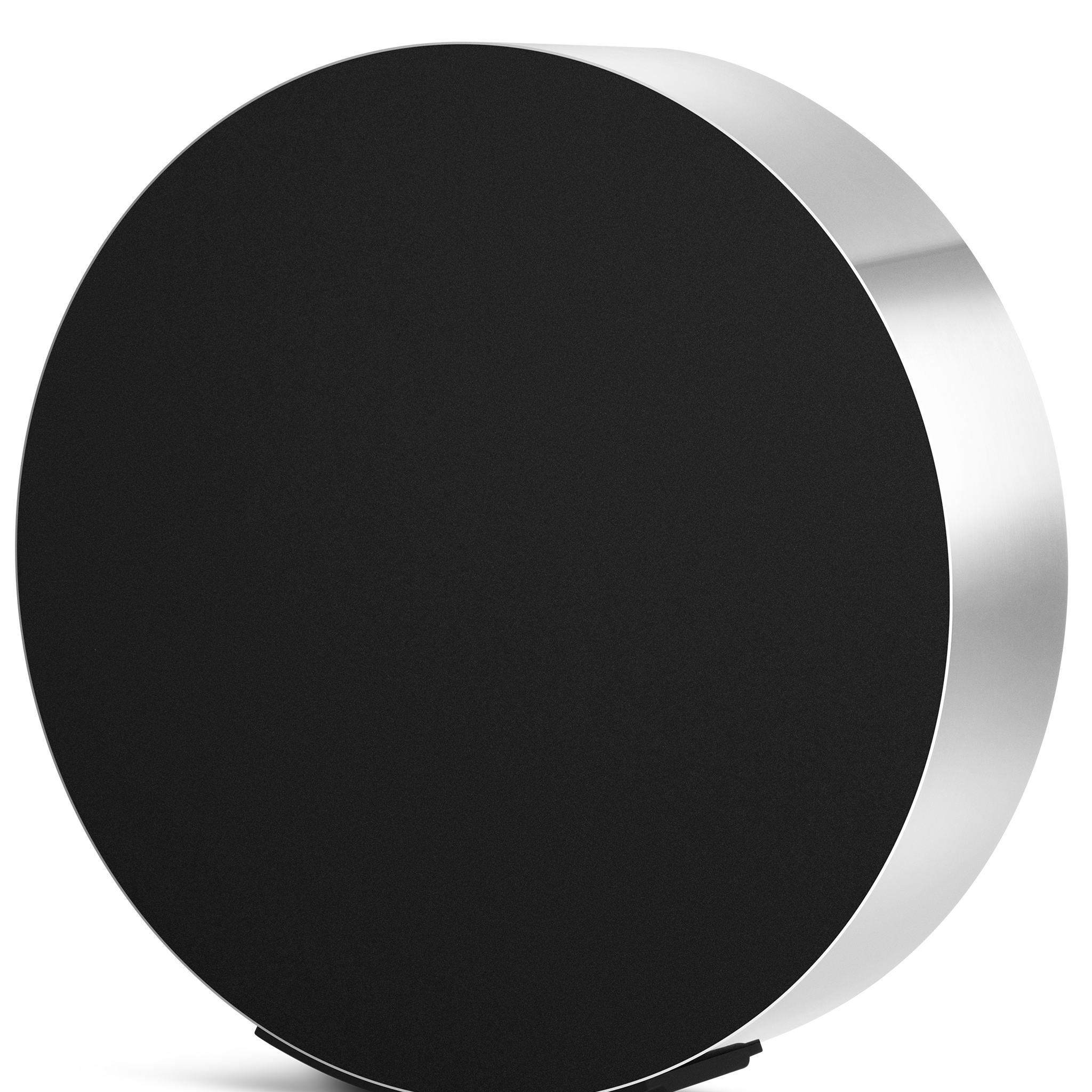
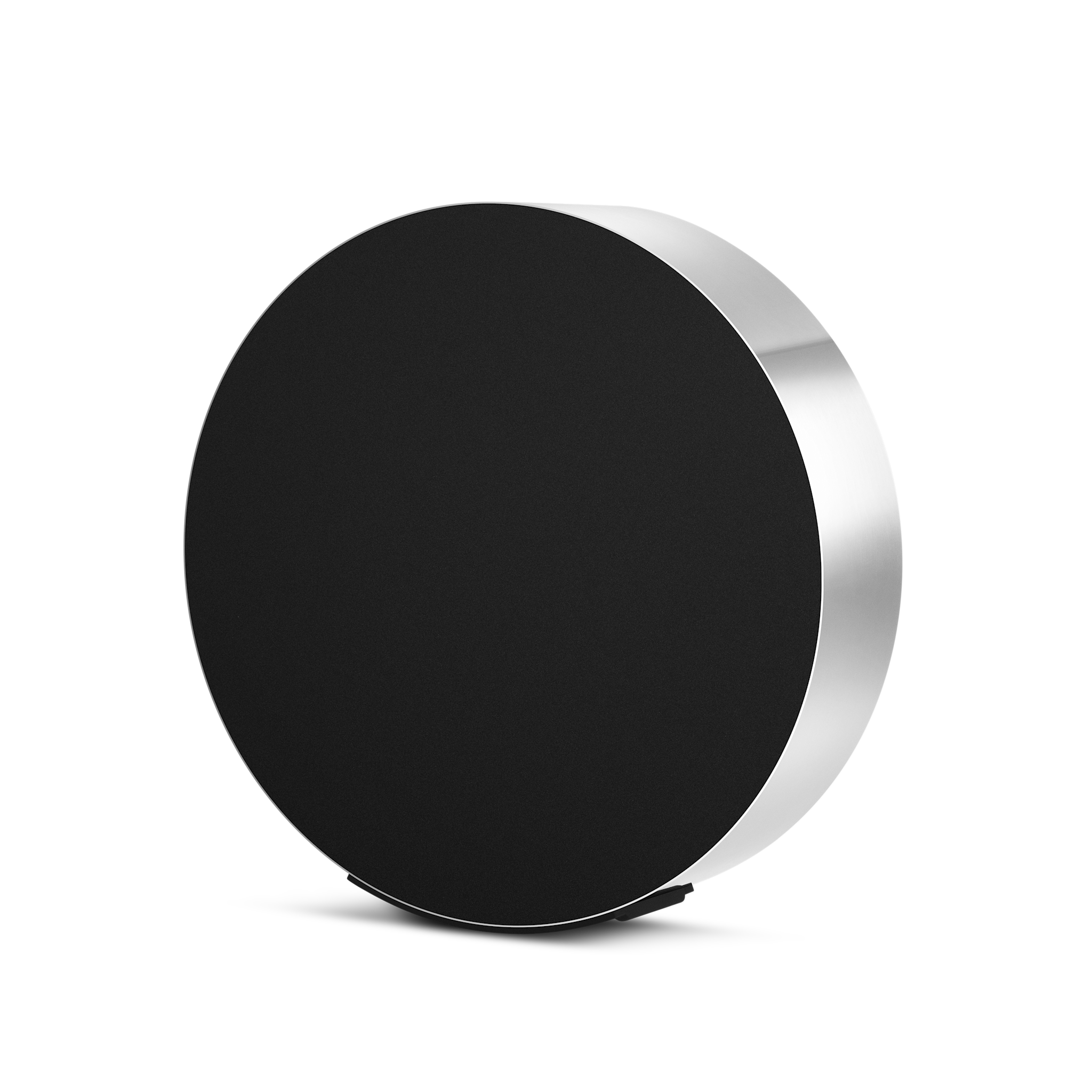
A perfect circle of polished aluminium, 50.2 centimetres and thirteen kilograms of cold Scandinavian weight, designed by Michael Anastassiades, a man who spent his career sculpting light, and who understood that a speaker is not a device but a presence. It asks for nothing but floor or wall. Approach, and it wakes, its interface glowing through the metal like a distant shore. Roll the ring, and the volume obeys the force of your hand: gentle for a whisper, firm for the storm.
Inside the circle, Bang & Olufsen's patented Active Bass Port keeps the low end exact at every level, thunder at high volume and finesse at low, while Directional Sound Control lets you aim the sound like a beam of light, or release it as True360 to flood the whole hall. Eight hundred watts of Class D in one aluminium disc.
This is the thesis of Asgard@Home: keep only what is worthy. The Edge is not the next gadget. It is the end of the rectangle, a monument to the idea that what surrounds you should be as considered as what you hear. Bring order home.
The Beosound Edge lives in the Hearth realm of the Asgard@Home vault. Check the current price through the tracked link. If you buy through it, we may earn a commission at no extra cost to you.
Frequently Asked Questions
How does the Beosound Edge control volume?
The aluminium ring is the interface. Roll it gently for a whisper, firmly for the storm, and the volume obeys the force of your hand.
What is the Active Bass Port?
It is Bang & Olufsen's patented port design that keeps the low end exact at every level, thunder at high volume and finesse at low, without a separate subwoofer.
Can the Edge fill a large room?
Yes. Eight hundred watts of Class D amplification and True360 mode flood the whole hall, while Directional Sound Control can aim the sound at one side when the room asks for it.
Who designed the Edge?
Michael Anastassiades, a designer known for sculpting light, gave the Edge its circle of polished aluminium, 50.2 centimetres across and thirteen kilograms of cold Scandinavian weight.
The Beosound Edge lives in the Hearth realm of the Asgard@Home vault. Check the current price through the tracked link. If you buy through it, we may earn a commission at no extra cost to you.
Central Artifact of this Saga
Bang & Olufsen Beosound Edge - The Edge
Crafted by Bang & Olufsen • $$$$
Some speakers are furniture. This one is a monument. A perfect circle of polished aluminium designed by Michael Anastassiades, a sculptor who works in light, machined until it reads as one cold, heavy disc for a high-ceilinged room of concrete and oak. It asks for nothing but floor or wall. Approach and it wakes, its interface glowing through the metal like a distant shore. Roll the ring and volume obeys the force of your hand, gentle for a whisper, firm for the storm. Inside, the world's first Active Bass Port keeps the low end precise at any level, while Directional Sound Control aims sound like a beam of light or floods the whole hall in True360. Thirteen kilograms. Eight hundred watts. One circle. Bring order home. Keep only what is worthy.